


Nogales my fav decaf so far.
Juice Box - Nogales Caturra Decaf
pomegranate, yellow fruits, and tutti frutti
€21,90
€50,90
€98,90
€21,90
Tax included. Shipping calculated at checkout.
Size
200g
500g
1 kg (2x500g)
Roast profile
■ ■ □ □ □ Filter
Size
Roast profile
The coffee comes as whole beans – if you’d like it ground, please leave a note with your order.
No longer Low Caf, now Decaf!
The renowned Nogales farm decaffeinates its coffee right on the farm. The on-farm decaffeination process, developed by Angie Hernández, uses a natural solvent made from coffee pulp and husk to gently remove caffeine. By refining the process, they’ve now brought it below the EU limit of 0.1%, so the coffee can officially be called “decaf”.
The lot comes from the Arrayán plot at 1,770 m, home to 6,000 Caturra trees. Its position shields it from the midday sun while letting in plenty of afternoon light, which makes for ideal conditions for high-quality cherries.
What makes this decaf so special in the cup is that, after decaffeination, the beans are steeped again in the fermented mosto, so they can take back on its flavour compounds.
In the cup: natural sweetness, a round body and a present acidity, with notes of pomegranate, yellow fruits and tutti frutti. Juicy, with a long finish.
!Do not combine with milk!
Producer: Los Nogales, Hernandez Family
Origin: Huila, Colombia
Variety: Caturra
Altitude: 1,770 MASL
Processes: Washed
Decaf process: On-farm decaf with must
Importer-Exporter: Chicas Industries
This coffee was named by Alexander.
By buying Juice Box, you support sustainable, transparent and innovative farming practices that benefit the farm and its community.
Filter
Ratio: 1:15 (e.g. 15g coffee to 225ml water)
Temperature: lower, approx. 88-89°C
Grinding level: slightly coarser than usual
Simple Recipe:
Bloom: 45g - 45sec
2 pours on 120g and 225g
Too much agitation leads to stalling and increased astringency.
Espresso
Temperature: Lower, about 91°C
Ratio: 1:2 as a base or shorter – I wouldn’t recommend longer.
Grinding level: Slightly finer than usual.
Aeropress
Here I can recommend Lance Hedricks’ recipe:
30g coffee with 120g water (80-85°C)
Grinding level: Coarser than usual (French Press)
Preparation:
Pour all the water in at once.
Stir for 10 seconds.
After 1 minute, put the lid on and press for 1 minute.
Dilute with 80-120g water.
We would be happy if you shared your favorite recipe with us!
If you have any questions, please send us a message via email or WhatsApp.
Let customers speak for us
D STANDS FOR™️
Specialty Decaf. Thoughtfully sourced. Freshly roasted in Vienna.
We are the #1 decaf specialist in Austria. We stand for a new generation of decaf: quality, transparency, sustainability and simply INCREDIBLY GOOD. Try it out!
The ritual you love - without caffeine.
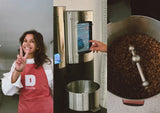
We recommend ordering whole beans and grinding them fresh before each preparation. This guarantees the best results, especially with decaf, as this loses its flavor more quickly than regular coffee due to the decaffeination process. A hand or automatic grinder is a worthwhile addition to any coffee-loving household. However, we are happy to grind the coffee for you if you wish.
Not yet, but we're working on it. Sign up for the waitlist to be notified when they're available.
Our decaf is freshly roasted every week and shipped directly after roasting, the coffee should rest for 5-7 days to develop its full aroma.
Although many people say “caffeine-free coffee,” that is not entirely accurate. Decaffeinated green coffee and roasted coffee has a caffeine content of less than 1 gram per kilogram – or 0.1%.
For comparison:
- Decaffeinated beans: 0.1% caffeine
- Arabica: approx. 1-1.4% caffeine
- Robusta or Canephoras: 1.8-3.5% caffeine
- Aramosa, Laurina (Low Caf beans): 0.4-0.8% caffeine
Our BIO Nutty Nib is organic certified.
In general we place more value on transparency and the closest and most long-term relationships possible with our partners. Certificates are always good when you have little information and can therefore be sure that certain minimum standards are met.
We pay premium prices to ensure fairness throughout the supply chain – so you get the best coffee.
On the product pages you will find detailed information about the farms and their practices.
We use 100% natural decaffeination processes, such as the water and sugar cane process. These methods preserve the full aroma and flavor of our high-quality Arabica beans. You can find more information about the decaffeination processes here.
Yes, we ship throughout Europe. If your country is not listed or for deliveries outside Europe, please contact us by email .


